
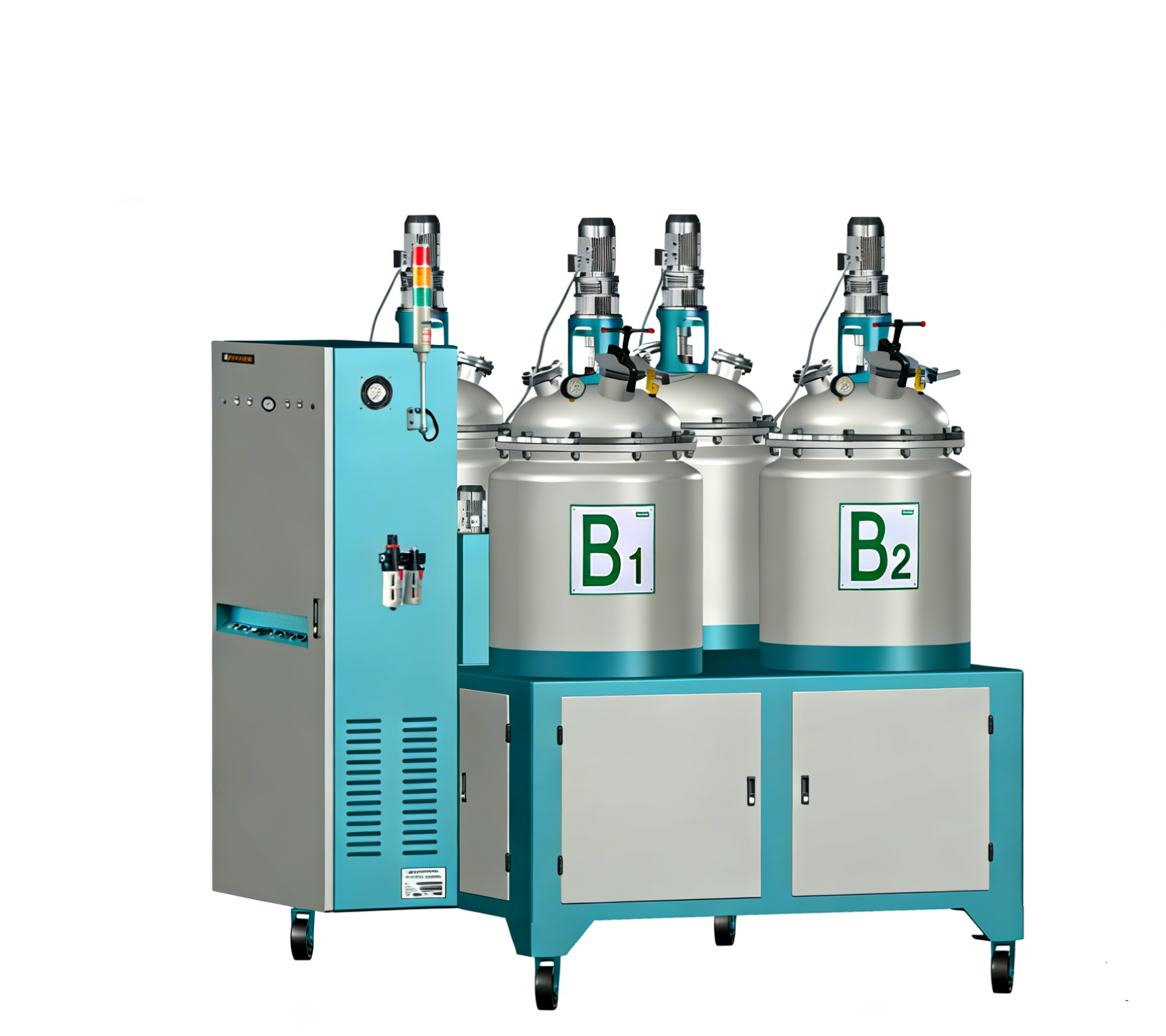
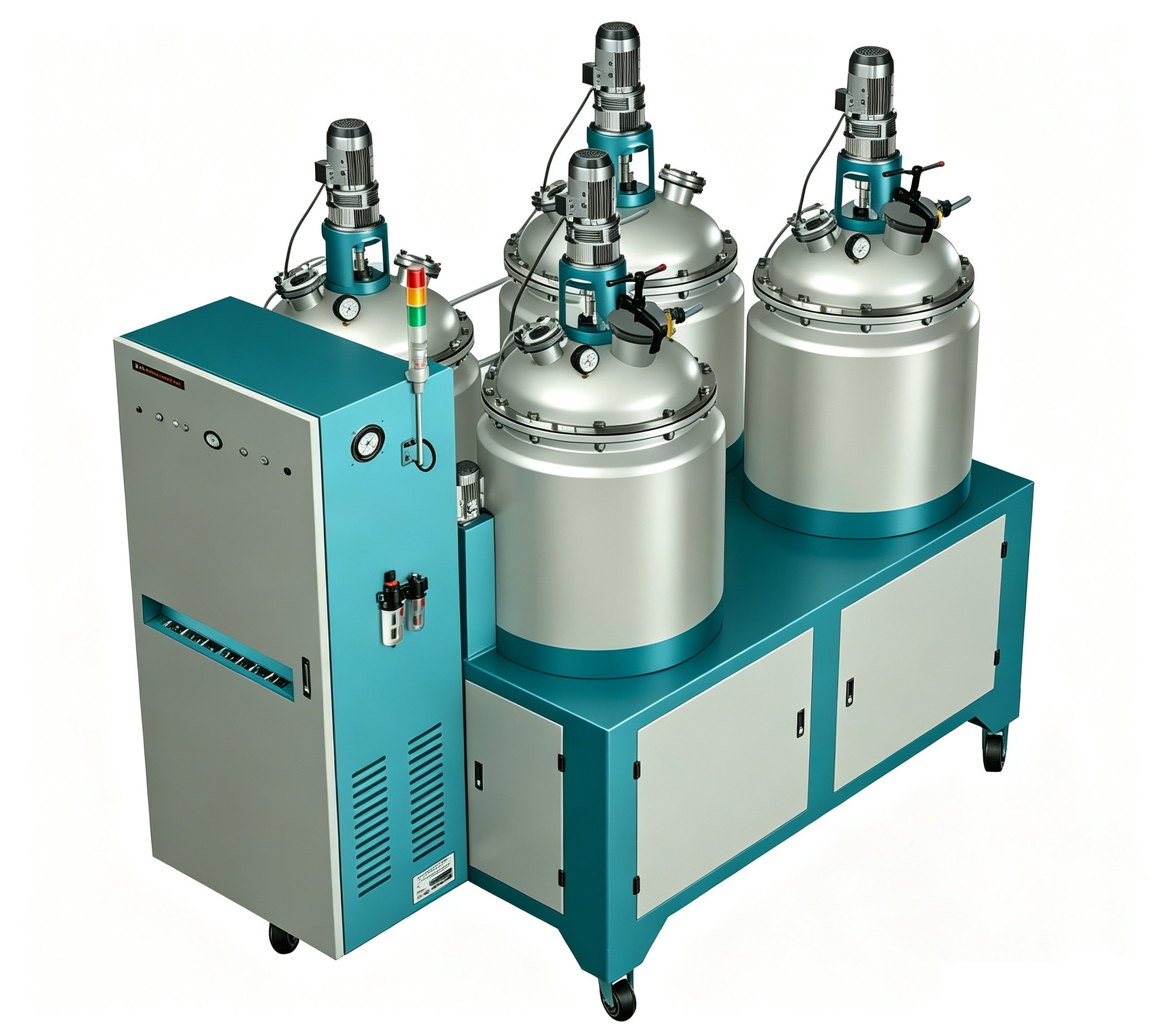
PU Low Pressure Foam Machine for PU Rain Boots
Multi‑process PU system for rain boots, supporting pouring/injection/spraying. Delivers lightweight, odorless, one‑piece molded waterproof boots with ±0.3% accuracy and PLC control.
Output Flow Range
30~200 g/s (adjustable)
Mix Ratio (A:B)
1:1~1:4 (adjustable)
Mixing Head Speed (Pouring)
4,000‑10,000 rpm
Metering Accuracy
±0.3%
Product Overview
The HF‑LPM‑2A2B‑F is a multi‑process PU foaming machine for rain boots, supporting pouring/injection/spraying, with ±0.3% accuracy and eco‑friendly formulations.
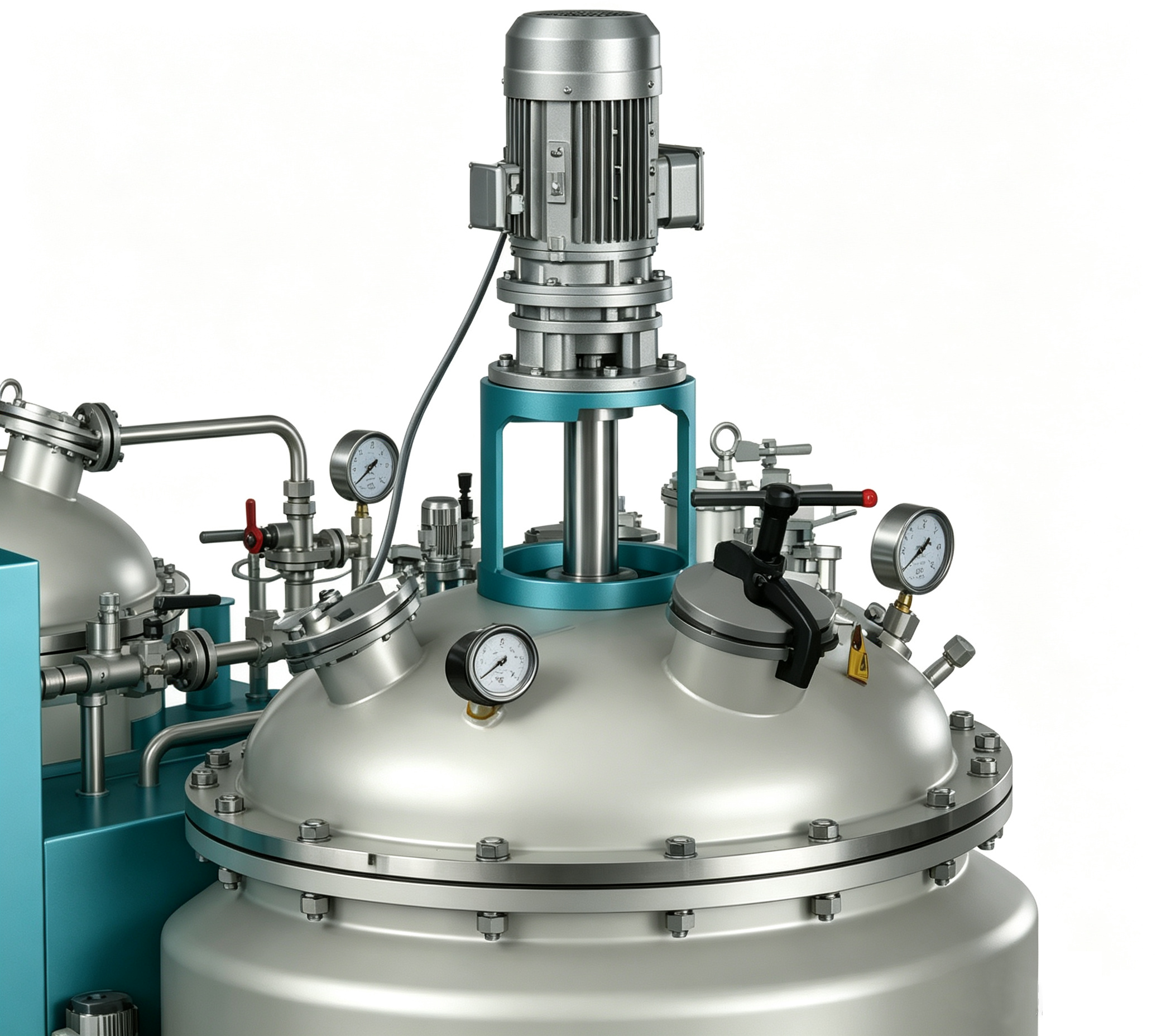
This multi‑process polyurethane foaming machine is specially optimized for PU rain boot production, supporting three processing modes: pouring (for open molds), injection (for fully closed molds), and spraying (for inner surface coating). The machine features a 120L tank system, adjustable output flow from 30 to 200 g/s, flexible A:B ratio from 1:1 to 1:4, and mixing head speeds independently adjustable for each mode—pouring (4,000‑10,000 rpm), injection (10,000‑18,000 rpm), and spraying (2,000‑8,000 rpm). With ±0.3% metering accuracy achieved through wear‑resistant gear metering pumps with servo closed‑loop control, the machine ensures precise ratio stability. The advanced PLC and constant temperature system precisely control ratio and material temperature, while insulated pressure‑resistant tanks guarantee long‑term stability of the PU circulation system. The machine produces one‑piece molded rain boots with seamless structure, achieving 100% waterproof performance and eliminating sole delamination issues common in traditional vulcanization. Compatible with eco‑ friendly PU foaming formulas, the boots are odorless, lightweight (30%‑50% lighter than rubber), and breathable, with microcellular foam structure providing cushioning rebound to reduce fatigue. Waste PU boots can be chemically recycled to reuse polyols, achieving closed‑loop production with lower carbon footprint than PVC and rubber. The low‑pressure system reduces power consumption, equipment wear, and maintenance costs, with simple operation requiring minimal training.
Production Workflow
Material Preparation & Recipe Selection
Load polyol and isocyanate into 120L tanks; select desired recipe on PLC touch screen; set ratio (1:1‑1:4) and flow (30‑200 g/s).
Process Mode Selection
Choose pouring (open molds), injection (closed molds), or spraying (surface coating) mode; mixing head speed adjusts automatically per selection.
Material Delivery & Molding
Mixed PU material is delivered via the selected process into/onto molds; material foams and cures to form the one‑piece boot structure.
Demolding, Trimming & System Cleaning
Open mold; remove finished rain boot; trim excess material; automatic cleaning cycle prepares the system for the next run.
Request a Quote for Your Rain Boot Production Line
Contact UsTechnical Specifications
Specifications are based on standard configurations. Customizable component counts (2‑6) and optional automated production line integration available.
| Technical Parameter | HF-LPM-2A2B-F |
|---|---|
| Output Flow | 30–200g/s, freely adjustable |
| Mixing Ratio Range | A:B = 1:1 ~ 1:4, adjustable |
| Raw Material Tank Capacity | 120L standard tank |
| Installed Power | 13kW |
| Mixing Head Speed | Pouring: 4000–10000rpm adjustable Injection: 10000–18000rpm adjustable Spraying: 2000–8000rpm adjustable |
| Metering Accuracy | ±0.3% |
| Total Machine Weight | 1000kg |
| Warranty | 1-year full machine warranty |
| Certifications | CE standard, EN 60204-1 electrical safety, ISO9001 quality system. |
| Brand | Haifeng |
Key Advantages
Six engineering and production benefits that deliver lightweight, odorless, one‑piece molded rain boots with low operating costs and eco‑friendly production.
One‑Piece Molding, Non‑Slip & Wear‑Resistant
Seamless integrally molded boot body achieves 100% waterproof performance, eliminating sole delamination. PU material delivers superior anti‑slip performance on wet, muddy, and oily ground compared to rubber.
Odorless & Lightweight for All‑Day Comfort
Eco‑friendly PU formula—no pungent odor or solvent residue. 30%‑50% lighter than rubber rain boots; microcellular foam structure provides cushioning rebound to reduce fatigue during long standing and walking.
Recyclable & Eco‑Friendly Production
Waste PU boots can be chemically recycled to reuse polyols, achieving closed‑loop production. Lower full‑life‑cycle carbon footprint than PVC and rubber, meeting sustainability requirements of international brands.
Three Process Modes in One Machine
Supports pouring (open molds), injection (fully closed molds), and spraying (inner surface coating) with independently adjustable mixing head speeds—covering all rain boot manufacturing requirements.
Precision Metering & Stable Mixing
Wear‑resistant gear metering pumps with servo closed‑loop control and PLC constant temperature system ensure accurate ratio (±0.3%) and stable material temperature for consistent quality.
Low Equipment Cost & Easy Maintenance
Low‑pressure system reduces power consumption and equipment wear, extending core parts life. Simple structure requires low operator training cost and straightforward daily maintenance.
Start Your Premium Rain Boot Production Today
Haifeng supplies full‑series PU foaming equipment, professional rain boot molds, and turnkey production line solutions—covering equipment selection, installation, operator training, and full‑lifecycle after‑sales support.
Industries & Applications
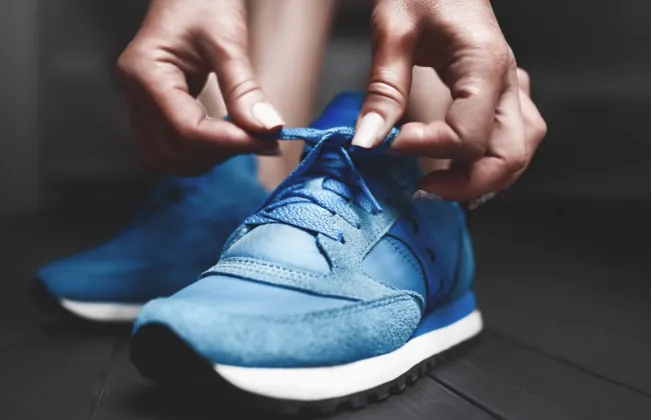
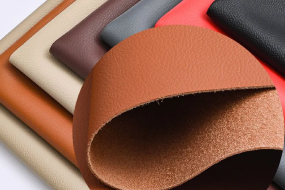
The HF‑LPM‑2A2B‑F is designed for single‑color and multi‑color rain boot manufacturing, covering civilian rain boots, agricultural water shoes, construction work boots, food industry safety boots, and impact‑resistant, puncture‑proof, anti‑static special functional rain boots. With three process options, it serves the full spectrum of waterproof footwear for both civilian and industrial applications.

Ready to discuss your project?
Request Specs & PricingComplete Your Production Line
Integrate the product with our full range of auxiliary equipment for a turnkey polyurethane processing system.
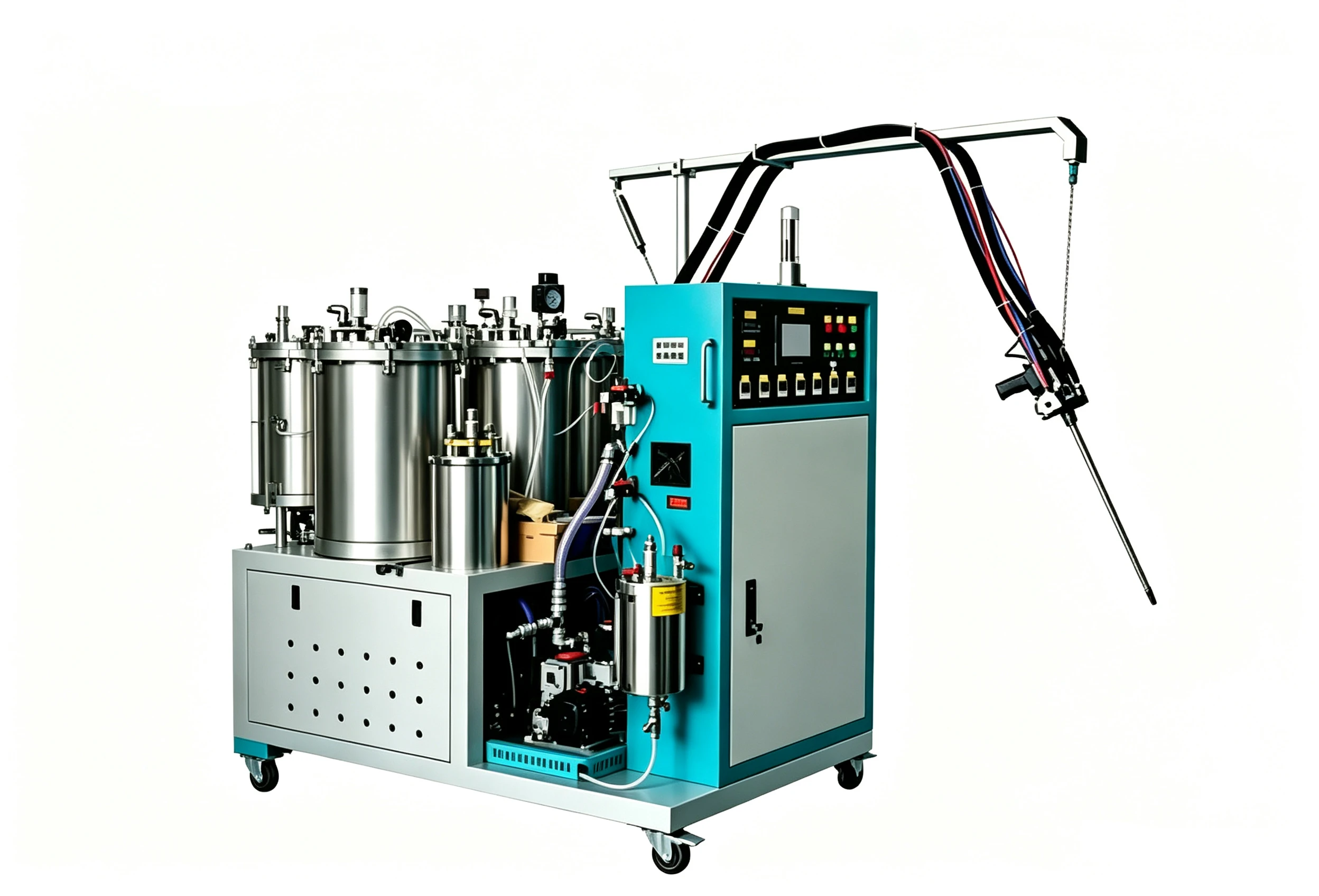
Epoxy Pourer for Printing Roller
Low Pressure Polyurethane Machine
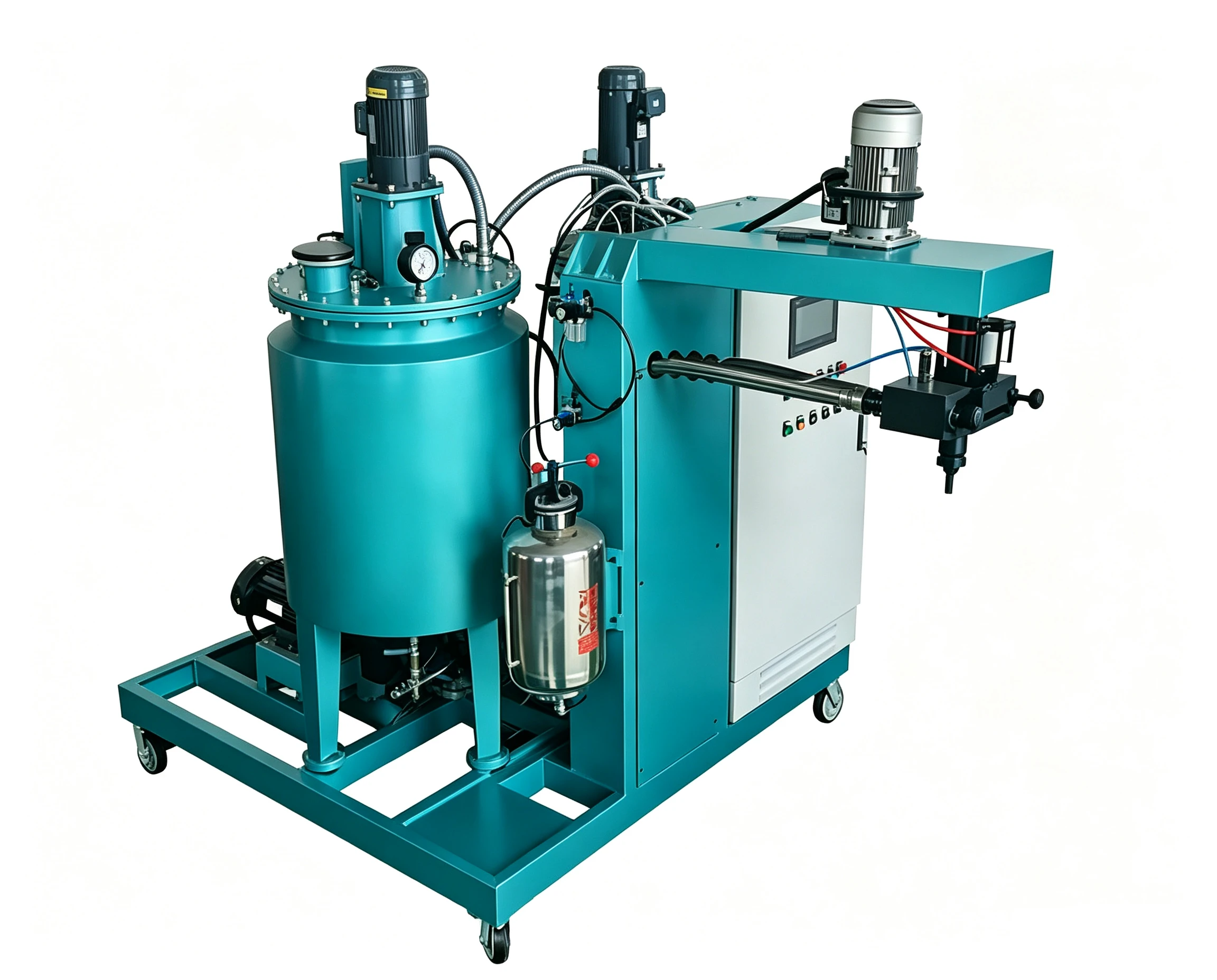
Hydraulic Seal PU Casting Machine
Elastomer Polyurethane Machine
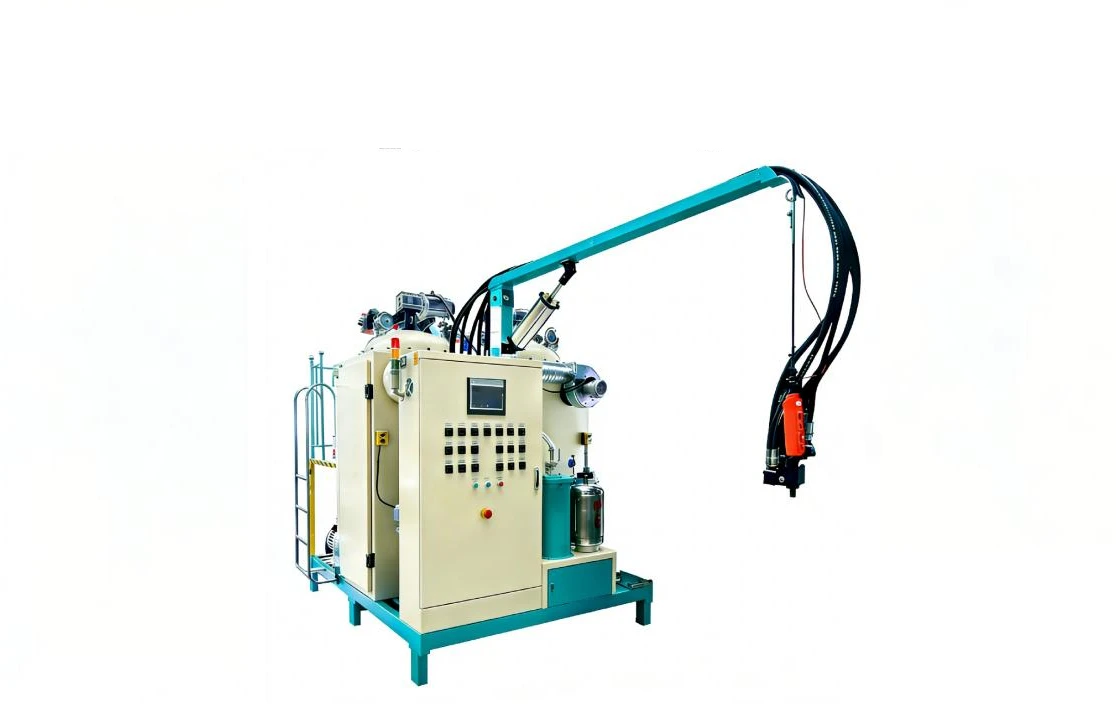
Monomer Cast MC Nylon Casting Machine
Elastomer Polyurethane Machine
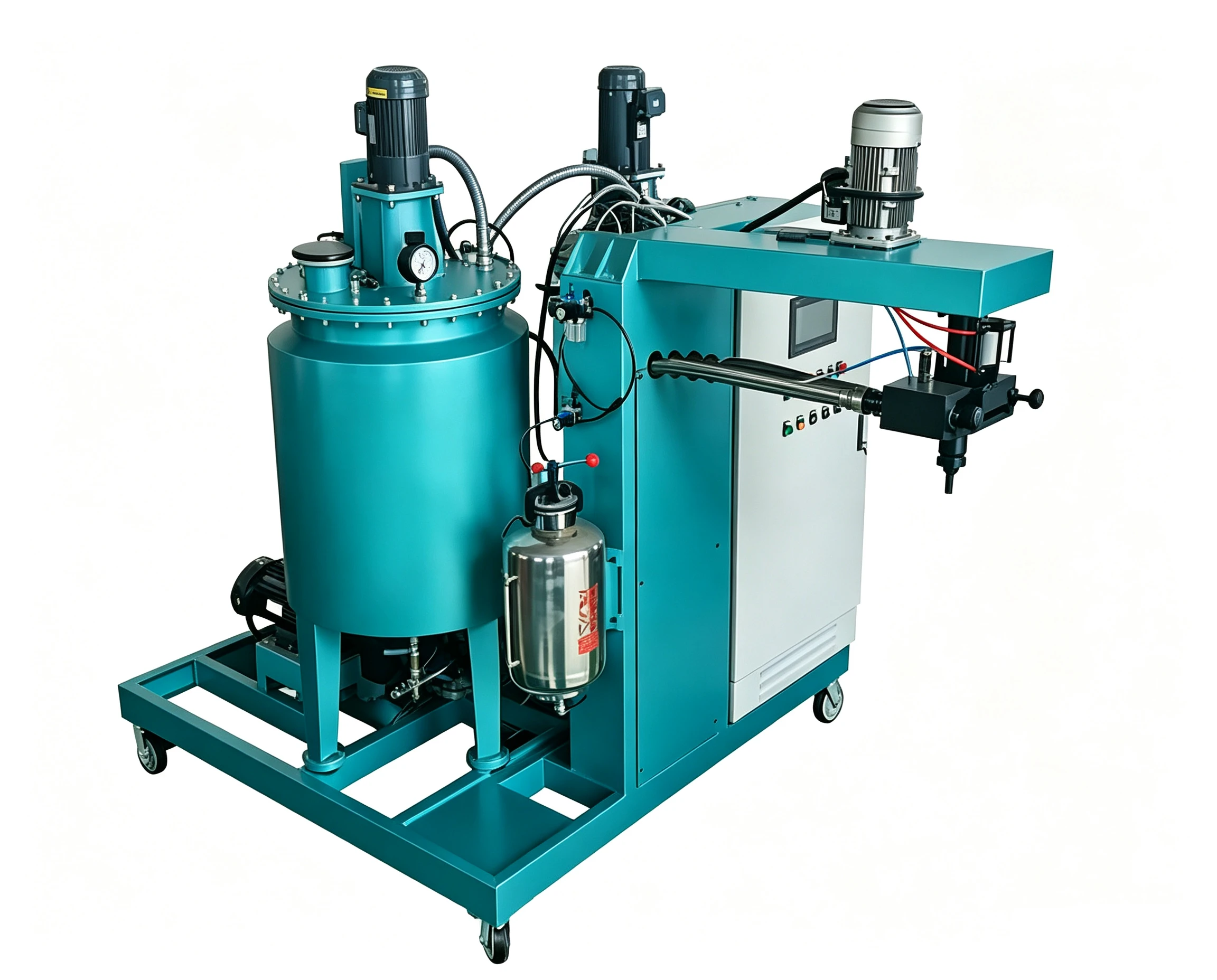
Roller PU Casting Machine for Cold Rolling
Elastomer Polyurethane Machine