
PU Foam Machine for Self-Skinning PU Seats
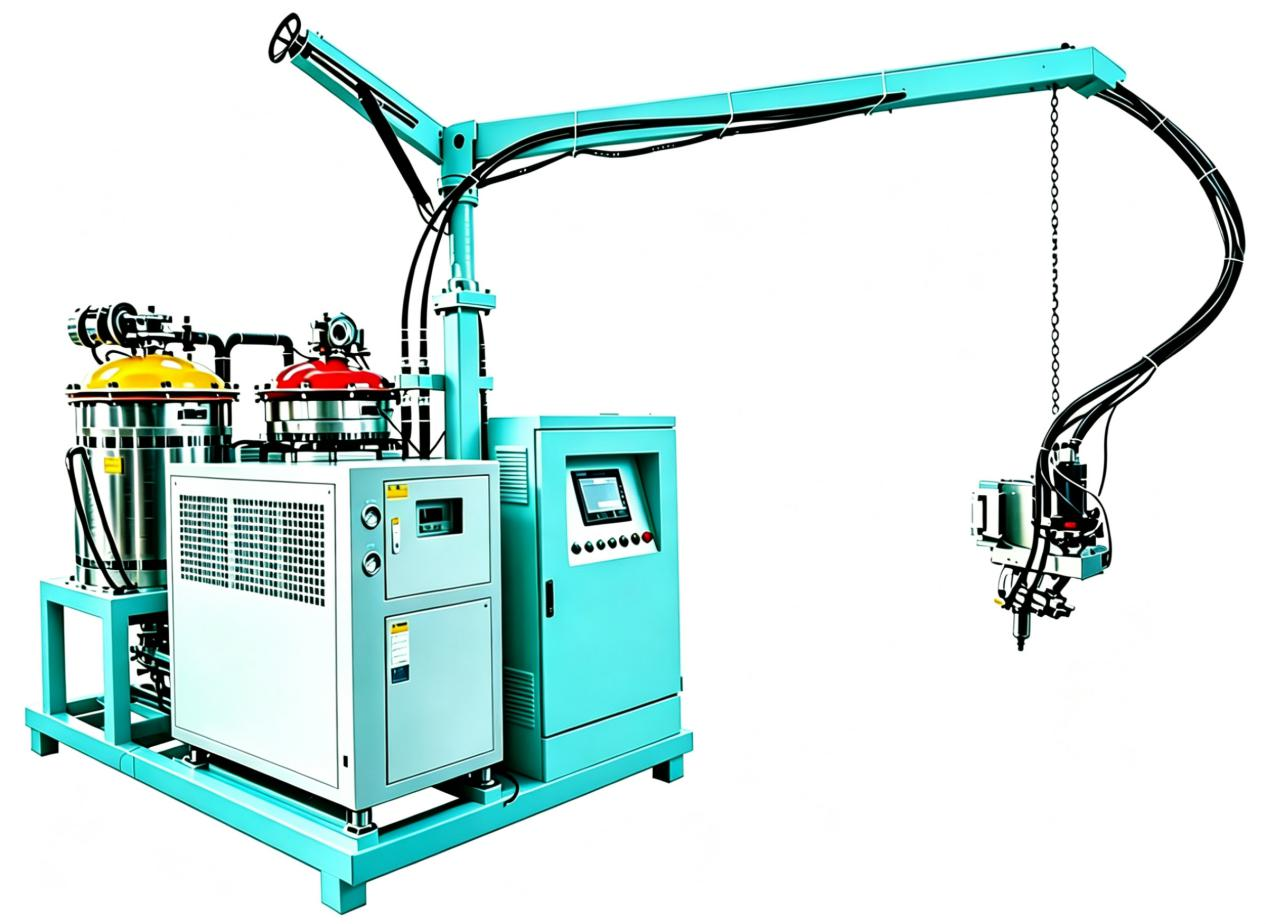
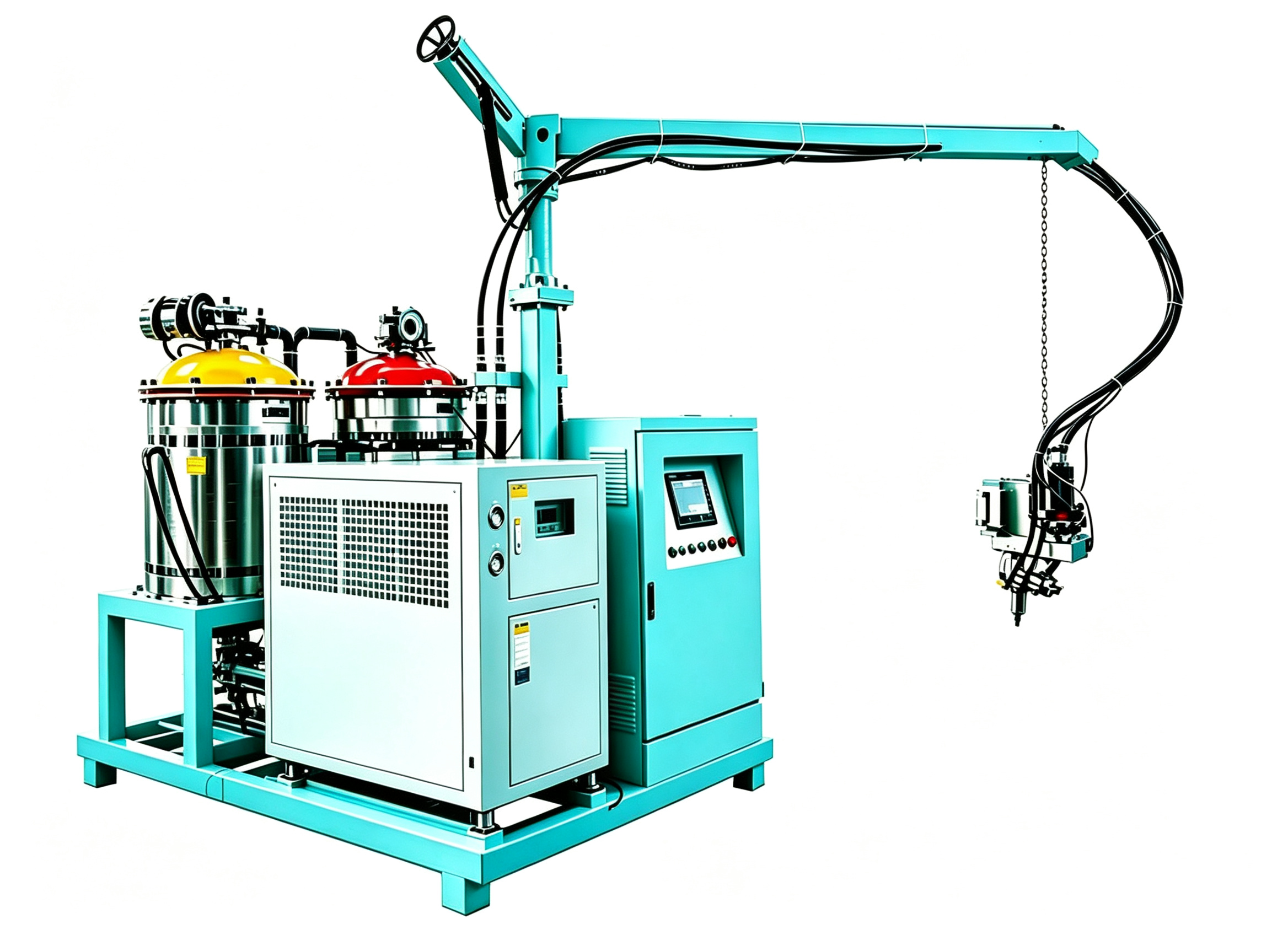
Low‑pressure PU system for self‑skinning seats & headrests, with hard‑skin soft‑core structure, ±0.3% accuracy, PLC control, and ultra‑low VOC eco‑friendly production.
Discharge Flow Rate
50~300 g/s
Mix Ratio (A:B)
1:1~1:4 (adjustable)
Mixing Head Speed
5,200 rpm (adjustable)
Metering Accuracy
±0.3%
Product Overview
The HF‑LPM‑1A1B‑A is a low‑pressure PU system for self‑skinning seats & headrests, with hard outer skin, soft micro‑elastic core, ±0.3% accuracy, and PLC automation.
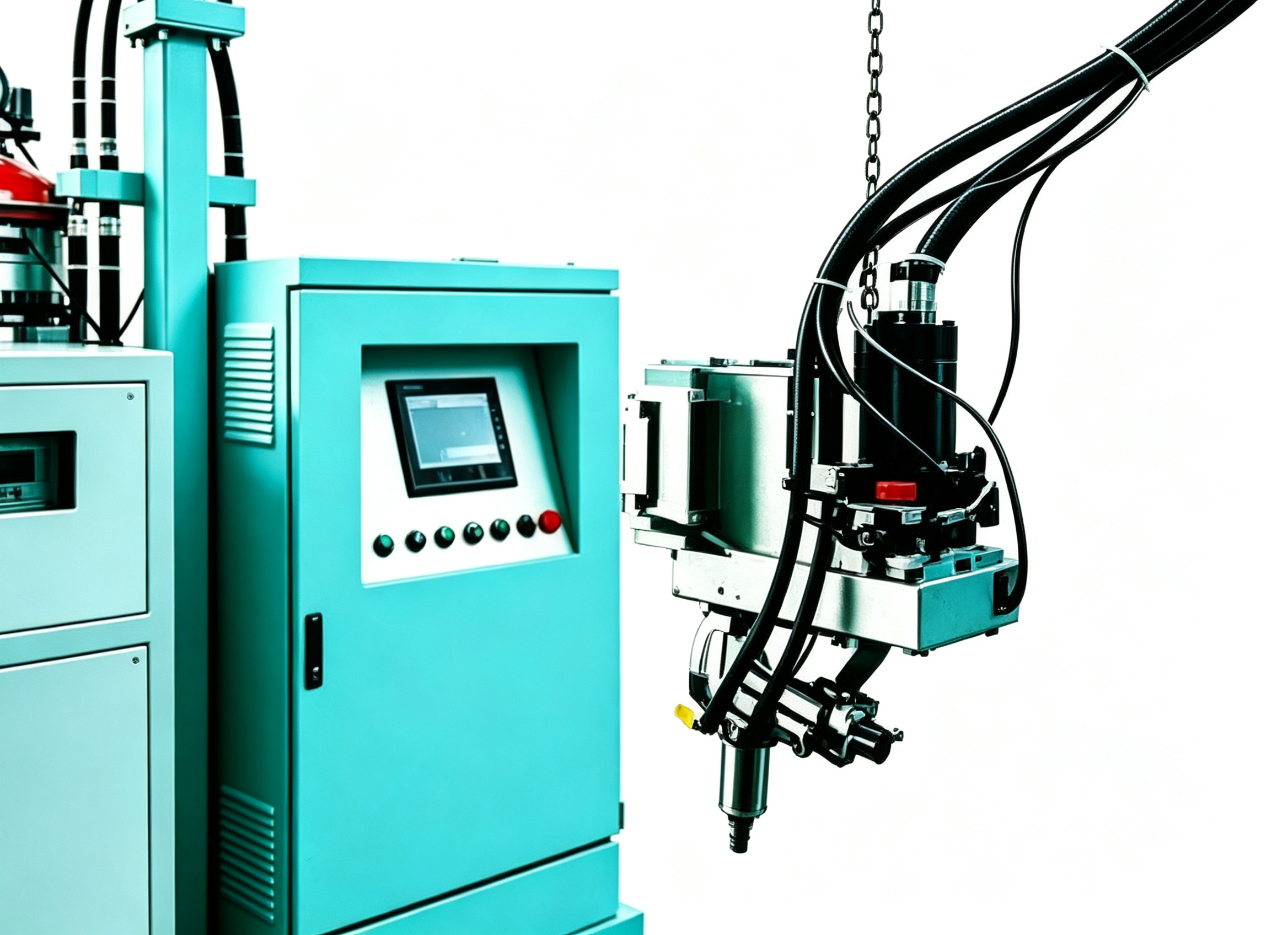
This low‑pressure polyurethane foaming machine is designed to produce self‑skinning polyurethane seats and headrests for passenger cars, motorcycles, bicycles, construction vehicles, wheelchairs, office chairs, and electric mobility scooters. The self‑skinning process forms a dense, wear‑resistant, waterproof, and stain‑proof outer skin with a soft, high‑rebound micro‑elastic inner core in a single molding cycle. By precisely controlling the injection ratio and material flow distribution, the machine delivers a composite structure that improves pressure distribution uniformity by 30% and prevents sagging after prolonged use. Microcellular foaming technology reduces product weight by 15% at equal volume to meet lightweight requirements. The machine features a 200L tank system, discharge flow from 50 to 300 g/s, adjustable A:B ratio of 1:1‑1:4, and a mixing head speed of 5,200 rpm. Precision gear metering pumps with closed‑loop VFD control maintain ±0.3% accuracy, ensuring fully homogenized, bubble‑free material mixing. The PLC touchscreen control system monitors pouring, cleaning, and air purging in real time, with graded fault alarms and safety interlocks. Multiple formulas can be stored and switched with one tap, dramatically reducing changeover time. The self‑cleaning mixing head enables color and material switching without shutdown, boosting flexible production efficiency. The machine supports solvent‑free polyurethane systems with near‑zero VOC emissions and Class B1 flame retardancy, complying with national and EU standards. The compact structure supports flexible line configurations—from long‑arm single‑operator models to fully automatic rotary carousel lines—with modular expansion capabilities for phased investment.
Production Workflow
Material Preparation & Recipe Selection
Load polyol and isocyanate into 200L tanks; select stored seat formula on PLC touch screen; set A:B ratio (1:1‑1:4) and flow (50‑300 g/s).
Precision Metering & Mixing
Gear metering pumps with closed‑loop control deliver ±0.3% accuracy; mixing head homogenizes material at 5,200 rpm for bubble‑free output.
Self‑Skinning Pouring & Molding
Material is poured into the mold; outer skin densifies while inner core remains soft and micro‑cellular—forming the hard‑skin/soft‑core structure in one cycle.
Demolding, Self‑Cleaning & Next Cycle
Open mold; remove finished seat/headrest; self‑cleaning mixing head prepares for next pour without shutdown for color or material switching.
Request a Quote for Your Self‑Skinning Seat Production Line
Contact UsTechnical Specifications
Specifications are based on standard configurations. Customizable component counts (2‑6), modular line configurations, and robotic arm integration available.
| Technical Parameter | HF-LPM-1A1B-A | |
|---|---|---|
| Discharge Flow Rate | 50–300 g/s | – |
| Raw Material Mix Ratio | A:B = 1:1–4 (adjustable) | – |
| Tank Volume | 200 L | – |
| Total Motor Power | 11 kW | – |
| Mixing Head Rotational Speed | 5,200 rpm (adjustable) | – |
| Metering Accuracy | ±0.3% | – |
| Core Features | Comfortable & supportive finished products, long service life, automated flexible production, one-click quick production change, low VOC, eco-friendly, flexible investment, modular configuration as required | – |
| Warranty Period | 1 year | – |
| Net Weight | 1,000 kg | – |
| Certifications | CE compliant, complies with EN 60204-1 electrical safety standard, ISO9001 Quality Management System Certification | – |
| Brand Name | Haifeng | – |
Key Advantages
Six engineering and production benefits that deliver comfortable, durable self‑skinning seats with precision control, flexible automation, and eco‑friendly performance.
Comfortable & Supportive Hard‑Skin Soft‑Core Design
Precisely controlled injection ratio forms dense, wear‑resistant outer skin and soft micro‑elastic inner core in one cycle. Improves pressure distribution by 30% and reduces weight by 15% while preventing sagging.
Automated Flexible Production with One‑Tap Switching
PLC touchscreen with multi‑formula storage enables one‑tap recipe recall. Self‑cleaning mixing head allows color/material switching without shutdown, greatly boosting flexible production efficiency.
Precision Metering for Superior Material Performance
Gear metering pumps with closed‑loop VFD control maintain ±0.3% accuracy, ensuring fully homogenized, bubble‑free mixing that eliminates ratio‑driven performance degradation.
Extended Service Life with Outstanding Anti‑Aging Performance
Produced PU material offers excellent rebound, compression resistance, and anti‑aging properties, extending service life by 60% compared to conventional products—ideal for high‑intensity passenger and shared seating.
Ultra‑Low VOC Eco‑Friendly Production
Solvent‑free PU systems deliver near‑zero VOC emissions and Class B1 flame retardancy, complying with national and EU standards, eliminating product return and recall risks.
Flexible Modular Investment & Customizable Line Configuration
Compact structure supports long‑arm single‑operator or rotary carousel fully automatic lines. Modular expansion enables phased investment as orders grow, from small‑batch trials to mass production.
Start Your Premium Self‑Skinning Seat Production Today
Haifeng supplies full‑series PU foaming equipment, professional self‑skinning seat molds, and turnkey production line solutions—covering equipment selection, installation, operator training, and full‑lifecycle after‑sales support.
Industries & Applications
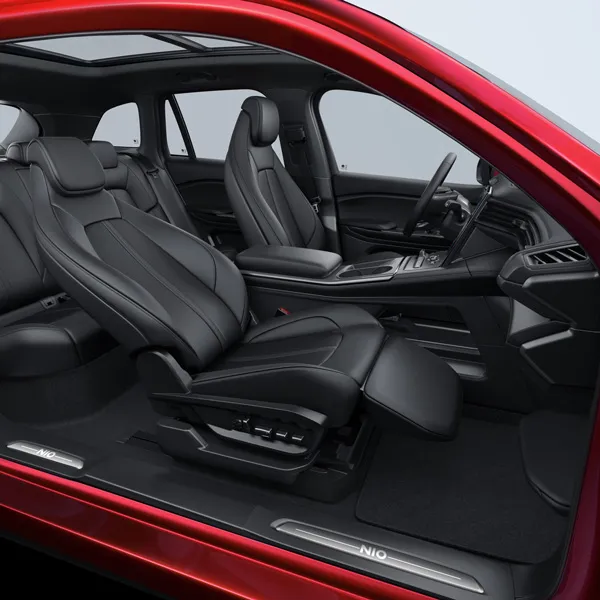
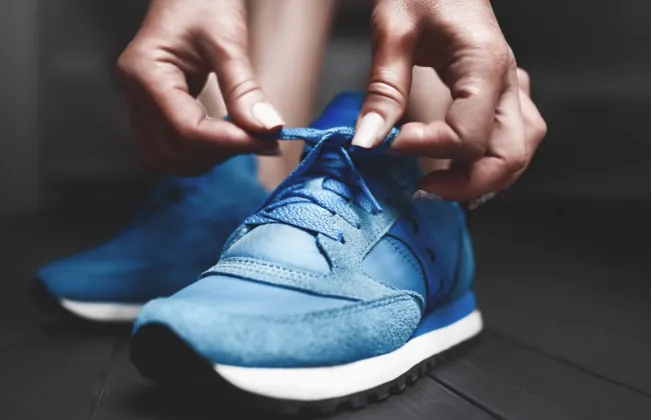
The HF‑LPM‑1A1B‑A is designed to produce self‑skinning polyurethane seats and headrests for passenger cars, motorcycles, bicycles, construction vehicles, wheelchairs, office chairs, and electric mobility scooters. Typical products include seat cushions, backrests, and headrests, as well as cushion parts for medical and mobility equipment.
Download the Full Technical Brochure & Self‑Skinning Seat Production Guide
Contact UsComplete Your Production Line
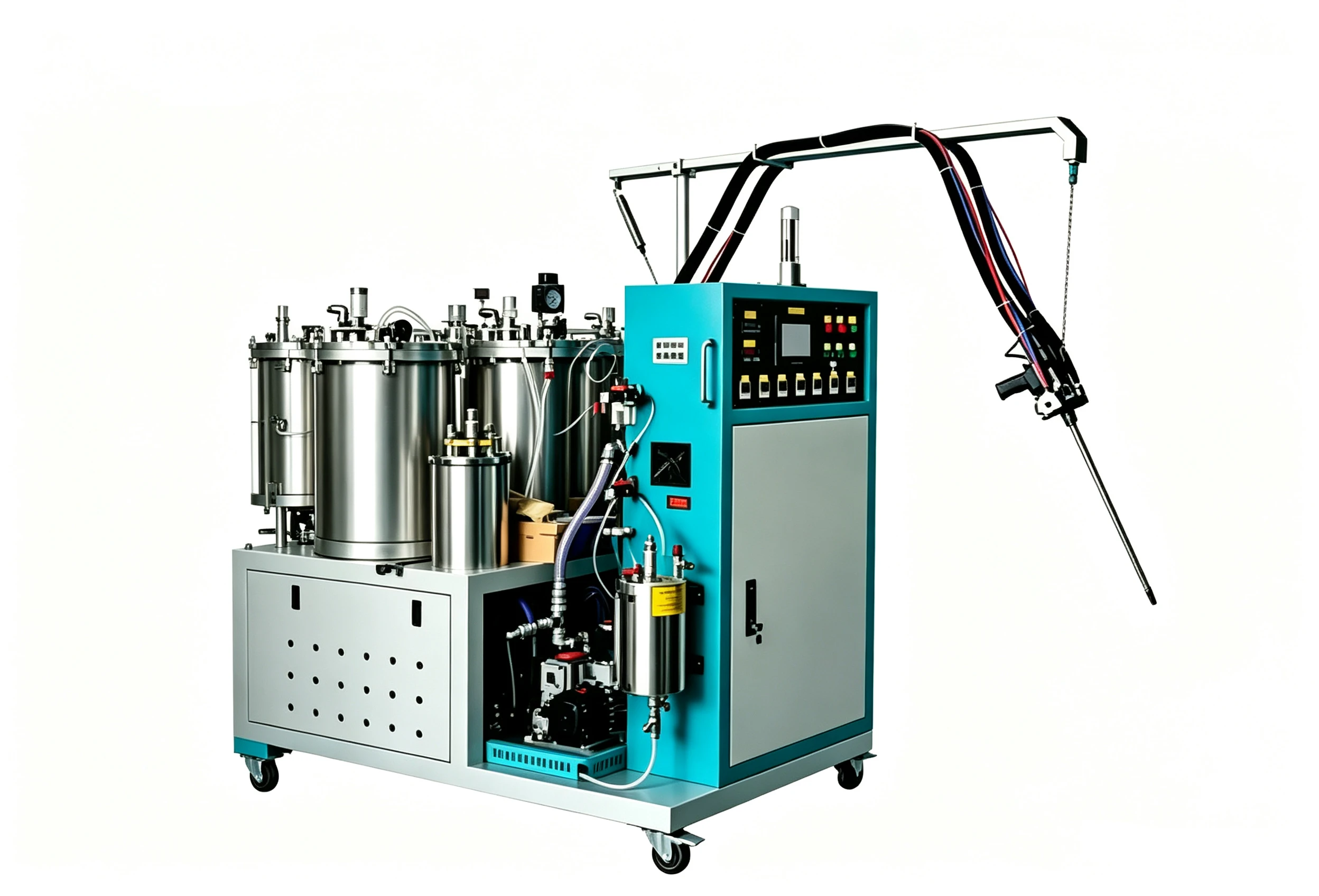
Integrate the product with our full range of auxiliary equipment for a turnkey polyurethane processing system.
Epoxy Pourer for Printing Roller
Low Pressure Polyurethane Machine
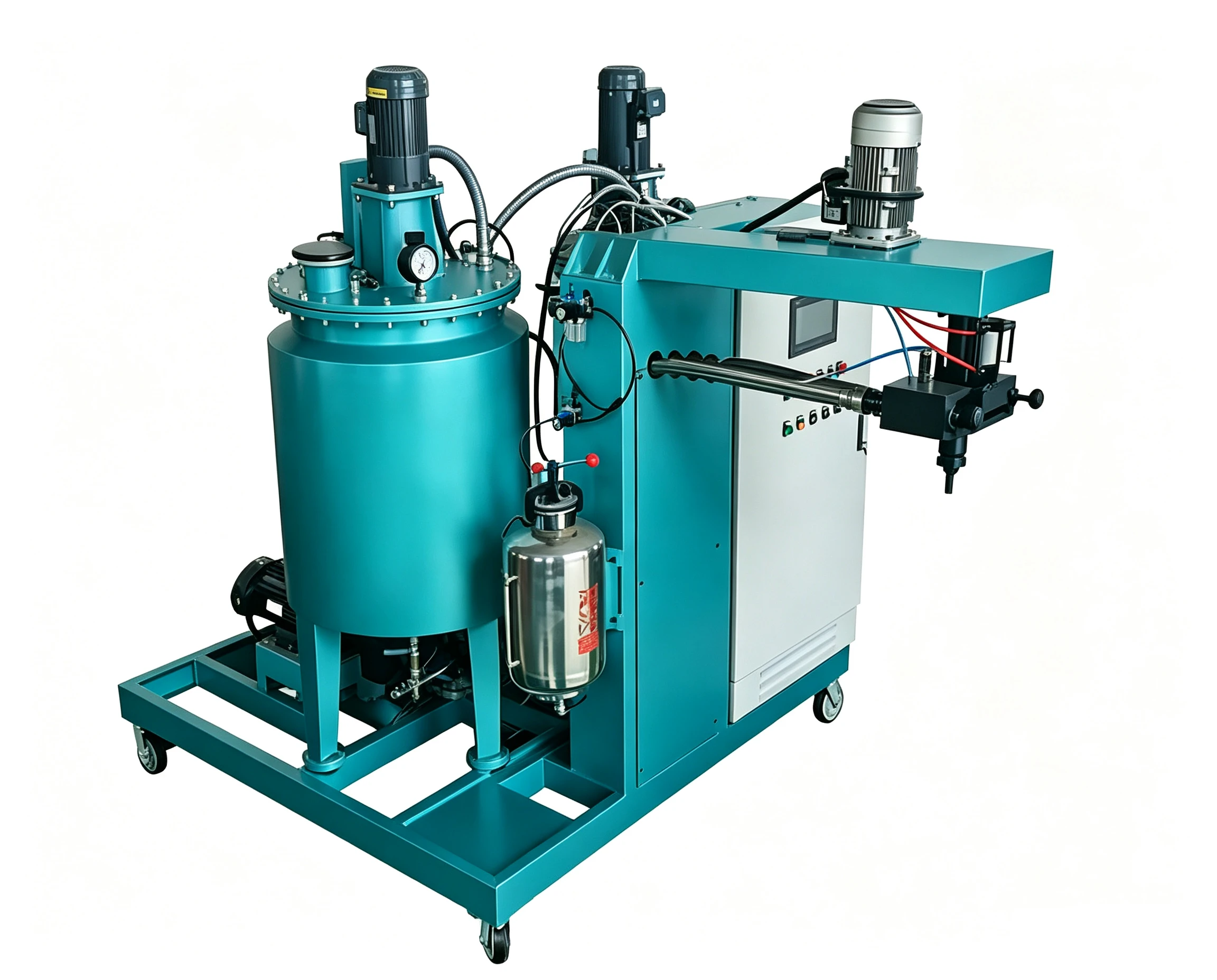
Hydraulic Seal PU Casting Machine
Elastomer Polyurethane Machine
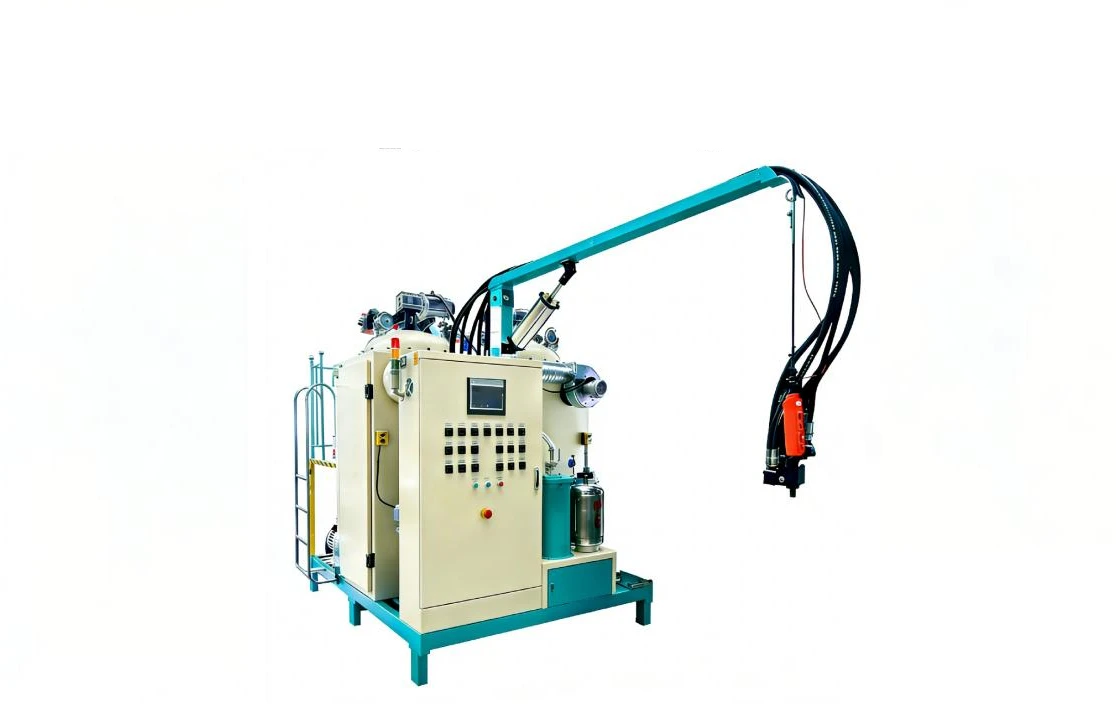
Monomer Cast MC Nylon Casting Machine
Elastomer Polyurethane Machine
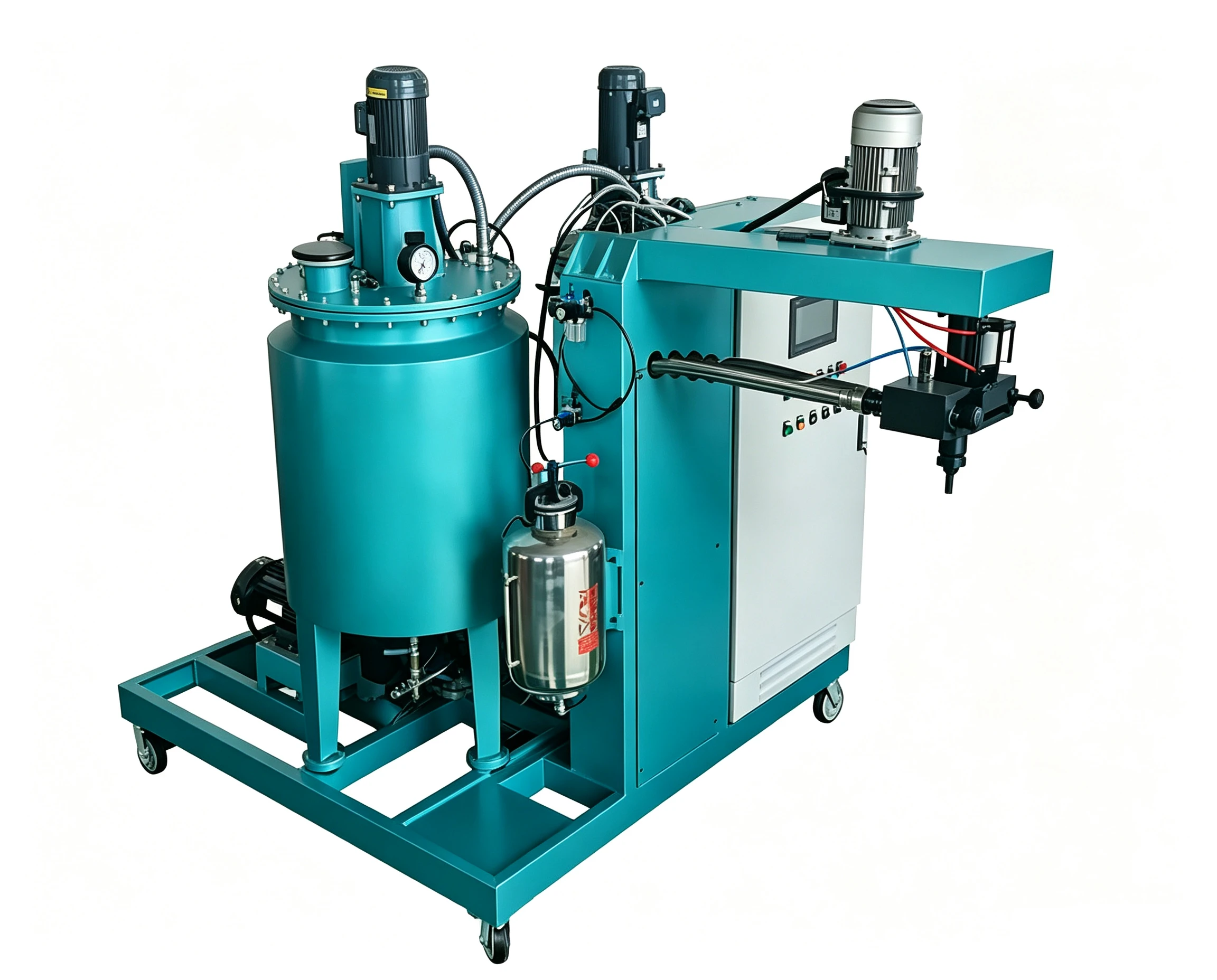
Roller PU Casting Machine for Cold Rolling
Elastomer Polyurethane Machine